Table of contents
- What a smart home really is (and why it’s more fragile than you think)
- Smart cameras: watching your home… and possibly the world
- Alexa and voice assistants: always listening?
- Smart plugs: small, cheap, dangerously underestimated
- How smart home attacks really happen
- Home privacy: the hidden cost of convenience
- How to actually secure a smart home
- Smart home: risk or opportunity?
The smart home promises comfort, automation and control: lights that turn on automatically, cameras that let you monitor your home remotely, voice assistants that answer questions, smart plugs that manage appliances and energy consumption. Convenient, efficient, modern.
But how secure is a home filled with internet-connected devices?
More and more families and tech enthusiasts are turning their houses into fully connected digital environments. The problem is that every connected device is also a potential entry point for cyberattacks. Smart cameras, Alexa, Wi-Fi plugs and IoT sensors are not just gadgets: they are real computers, often poorly updated and rarely configured with security in mind.
This article explains, in a clear and practical way, how vulnerable smart home devices really are, what the real risks are for privacy and safety, and what anyone even without technical skills can do to protect their digital home.
What a smart home really is (and why it’s more fragile than you think)
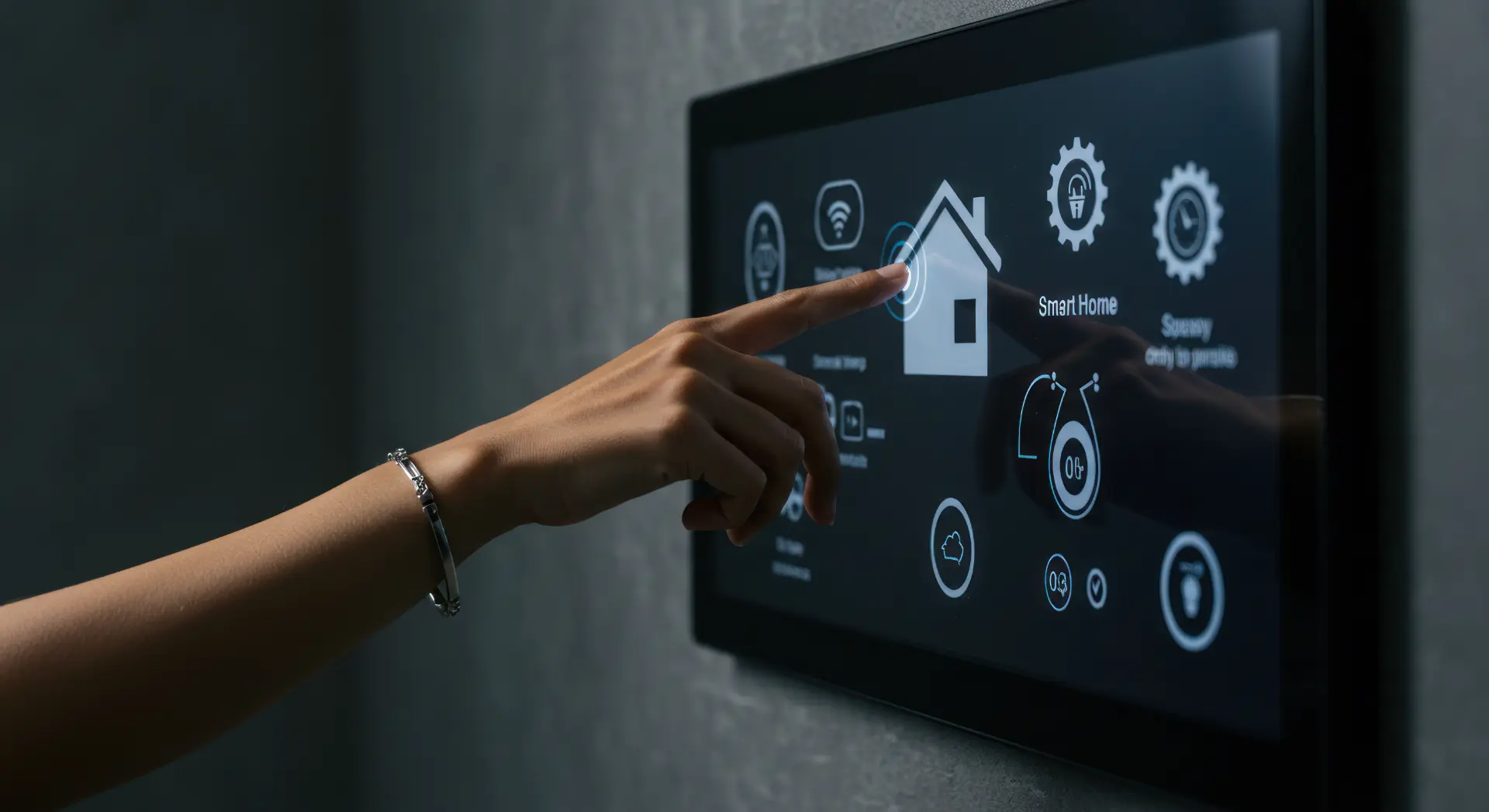
When we talk about a smart home, we mean an ecosystem of devices that communicate with each other and with cloud services: cameras, voice assistants, thermostats, locks, smart plugs, connected appliances. What they all have in common is one thing: they rely on the network.
This means they:
- use your home Wi-Fi
- communicate with remote servers
- collect and transmit data
- often stay online 24/7
From a cyber security perspective, a smart home is similar to a small business network — but without an IT department managing it. Each device may have:
- outdated firmware
- weak or default passwords
- minimal security settings
- known vulnerabilities never patched
The result is that your home can become an easy target, not because someone wants to hack you personally, but because attacks are automated and opportunistic.
Smart cameras: watching your home… and possibly the world
Smart cameras are among the most popular and most sensitive smart devices. They are meant to protect your home, but when poorly secured they can turn into surveillance tools for attackers.
Many low-cost models:
- use default credentials
- expose services directly to the internet
- send video streams to external servers
- lack proper encryption
Over the years, real cases have emerged where cameras were:
- publicly accessible via browser
- remotely controlled without authentication
- hijacked into botnets for DDoS attacks
The risk is far from theoretical. A compromised camera can:
- show the inside of your home
- reveal routines and schedules
- spy on children or elderly people
- become a gateway into your home network
The paradox is clear: a device bought to increase security can drastically reduce it if not properly configured.
Alexa and voice assistants: always listening?
Voice assistants like Alexa have become the core of many smart homes. They control lights, plugs, music, reminders and automation routines. To work, however, they must:
- stay constantly connected
- listen to the environment
- send data to cloud servers
From a cyber security point of view, the issue is not the assistant itself, but the ecosystem around it. Alexa can:
- control other devices
- interact with third-party skills
- store voice recordings
- connect to external services
Main risks include:
- malicious skills impersonating legitimate ones
- unauthorized access to accounts
- misuse of voice commands
- exposure of personal data
Research has shown that, in certain conditions, attackers can:
- trigger commands via inaudible audio
- exploit weak account passwords
- infer household habits
This is not science fiction, but real vulnerabilities amplified by lack of awareness and weak configurations.
Smart plugs: small, cheap, dangerously underestimated
Smart plugs are among the most widely sold devices because they are cheap and seem harmless. In reality, they are often the weakest link in a smart home.
Many models:
- run outdated firmware
- use poorly encrypted communications
- expose network ports
- offer no security updates
A compromised smart plug can:
- act as an entry point
- control connected appliances
- join botnets
- map your internal network
These devices are often produced by unknown brands with:
- limited support
- no long-term updates
- poor documentation
For attackers, they are ideal targets: inexpensive, widespread and rarely monitored.
How smart home attacks really happen
Most people imagine hackers targeting a specific home. In reality, attacks work very differently.
In most cases:
- automated bots scan the internet
- vulnerable devices are detected
- known credentials are tested
- known flaws are exploited
Who you are doesn’t matter. What matters is what device you use and how it’s configured.
A typical attack flow looks like this:
- automatic IP address scanning
- detection of a camera or smart plug
- access via default password
- installation of lightweight malware
- use of the device for further attacks
Your smart home becomes part of a much larger problem — often without you noticing.
Home privacy: the hidden cost of convenience
One of the most underestimated aspects of smart home security is privacy. Every smart device collects data:
- audio
- video
- schedules
- preferences
- daily habits
These data are:
- sent to the cloud
- stored for long periods
- analyzed
- sometimes shared with third parties
The risk is not only external hackers, but also:
- commercial use of personal data
- household profiling
- loss of control over private information
When a home becomes “smart”, it often also becomes transparent.
A real-world example: a vulnerable home network
Consider a very common setup:
- ISP-provided router
- one single Wi-Fi network
- a low-cost smart camera
- two Wi-Fi smart plugs
- Alexa connected to the same network
If just one device is compromised, an attacker may:
- explore the internal network
- intercept traffic
- attempt access to other devices
- target computers and smartphones
Smart home security is only as strong as its weakest device.
How to actually secure a smart home
Protecting a smart home doesn’t require hacker-level skills, but it does require basic best practices.
First:
- always change default passwords
- use long, unique passwords
- enable two-factor authentication when available
Then:
- keep firmware and apps updated
- choose reputable brands
- avoid devices with no long-term support
A crucial step is:
- creating a separate Wi-Fi network for IoT devices
This way:
- if one device is compromised
- it cannot access laptops or phones
Finally:
- disable unnecessary features
- limit permissions
- regularly review connected devices
Security is never absolute, but small actions make a huge difference.
Smart home: risk or opportunity?
The smart home is not the enemy. Technology itself is neutral. The real problem is unconscious use. Cameras, Alexa and smart plugs can improve everyday life — but only if they are part of a minimum security strategy.
The right question is not “are they dangerous?”, but:
are they properly configured and managed?
In an age where homes are increasingly digital, home security also means cyber security.
Frequently asked questions
- Are smart homes really vulnerable?
Yes, especially when devices are not properly configured or updated. - Can smart cameras be hacked?
Yes, particularly low-cost models or those using default passwords. - Is Alexa always listening?
It constantly listens for the wake word and processes data via the cloud. - Are smart plugs dangerous?
They can be if they use insecure firmware or unencrypted communications. - Do smart homes need antivirus software?
Not on IoT devices, but a secured network is essential. - How can I protect children in a smart home?
By securing accounts, limiting access and choosing trusted devices. - Is a separate Wi-Fi network really useful?
Yes, it’s one of the most effective protective measures. - Do smart devices steal data?
They collect data to function; controlling permissions and policies is key. - Are cheap devices less secure?
Often yes, due to limited updates and support. - Should I give up on smart home technology?
No, just use it consciously and securely.