Table of contents
- What a payment system breach really means
- Why payment systems are a preferred target
- How a breach of payment systems happens
- The consequences of a payment data breach
- Practical strategies to prevent a data breach in payment systems
- The role of security standards in payment systems
- What the PCI DSS standard requires
- Why standards do not completely eliminate risk
Have you ever read news about a company that suffered a data breach and discovered that the stolen information included credit card numbers or payment data?
Or perhaps you received a notification from a bank or an online service warning you about a possible compromise of transaction-related data?
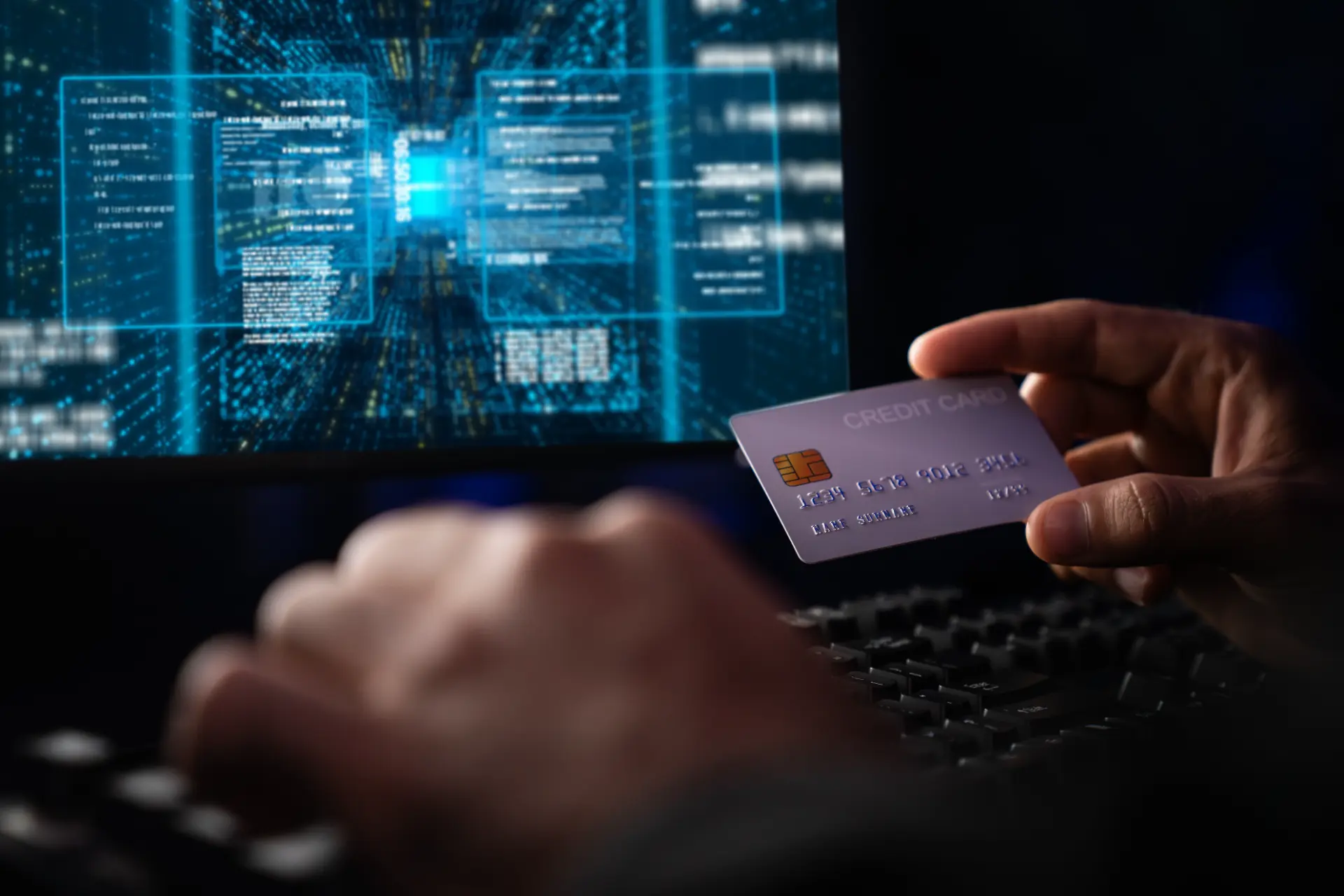
These situations are no longer rare events or distant from everyday life. On the contrary, in recent years payment system breaches have become one of the main targets of cyberattacks. Cybercriminals know that financial data has enormous value: it can be sold on the dark web, used for online fraud, or exploited for extortion.
When a payment system is breached, the consequences can be severe not only for the customers involved but also for the companies that manage that data. Beyond financial losses, organizations face legal responsibilities, loss of trust, and reputational damage that can be difficult to recover from.
For this reason, understanding how to prevent a data breach in payment systems has become a priority today for any organization that manages digital transactions, as well as for many professionals and small online operators.
What a payment system breach really means
When we talk about a payment system breach, we refer to a situation in which financial data or transaction information is accessed, copied, or used without authorization.
The data involved may include:
- credit or debit card numbers
- cardholder data
- transaction authorization codes
- online payment information
- credentials used to access payment systems
This data is extremely sensitive because in some cases it can be used to carry out financial operations or build highly sophisticated fraud schemes.
A breach does not necessarily mean that systems stop working. In many cases, systems continue operating normally while attackers silently copy the data.
It is precisely this characteristic that makes data breaches in payment systems particularly dangerous: the breach can remain invisible for weeks or even months.
Why payment systems are a preferred target
Systems that manage digital payments represent one of the most attractive targets for cybercriminals.
The reason is simple: financial data has immediate value.
While other types of data may take time to exploit, payment information can often be used almost immediately for:
- online fraud
- card cloning
- unauthorized purchases
- resale of data on the dark web
According to many cyber security analyses, a large share of cyberattacks involving e-commerce, digital platforms, or business systems is aimed precisely at gaining access to transaction data.
It is no coincidence that many of the biggest data breaches in recent years have involved payment platforms, POS systems, or databases containing card information.
How a breach of payment systems happens
Many people imagine cyberattacks as extremely complex operations carried out by highly specialized hackers using sophisticated technologies and unknown vulnerabilities. In reality, in the daily practice of cyber security, a significant portion of data breaches involving payment systems stems from relatively simple mistakes or weaknesses that have been known for a long time.
This happens because digital payment systems are made up of several elements: application software, databases, network infrastructures, physical terminals, and external services. It only takes one of these components to have a vulnerability or an incorrect configuration for the entire system to become potentially exposed.
Attackers, in fact, do not necessarily look for the most complex flaw. They look for the easiest point to exploit. And very often that point is represented by human error, weak credentials, or outdated systems.
Among the most common methods through which a payment system breach occurs, there are several recurring scenarios.
Phishing and credential theft
One of the most widespread methods used to compromise payment systems is phishing. In this case, attackers do not try to directly break into the technological infrastructure. Instead, they aim to obtain login credentials through deception.
An employee, system administrator, or operator who manages payments may receive an apparently legitimate email that seems to come from a bank, a payment provider, or the company’s IT department. The message asks the recipient to verify the account, update credentials, or access a management platform.
The link in the email, however, leads to a fake site built to perfectly imitate the real one. When the user enters a username and password, those credentials are sent directly to the attackers.
At that point, cybercriminals can access the payment system as if they were legitimate users. Once inside, they can copy data, change security settings, or create hidden new accounts in order to maintain control of the system over time.
This kind of attack is extremely effective because it exploits the human factor, often the most vulnerable point in any IT infrastructure.
Malware in POS systems
Another very common method of compromise involves POS terminals used to process card payments.
Modern POS systems are real specialized computers. Like any other digital device, they can be infected by malicious software designed to intercept card data during transactions.
These malware strains, often called POS malware, work by analyzing the device’s memory while the card is being used for payment. At that exact moment, card data may temporarily be present inside the system in unencrypted form.
The malware intercepts this information and sends it to attackers, often without generating any obvious sign of compromise. The terminal continues to function normally, and transactions appear regular, while in the meantime the data is silently copied.
In some cases, malware can remain active for months before being detected.
Software vulnerabilities
Another very frequent cause of payment system breaches is the presence of unpatched software vulnerabilities.
Many online payment systems rely on web platforms, plugins, software libraries, and complex databases. If one of these components is not regularly updated, it may contain known vulnerabilities that attackers can exploit.
Example
An outdated payment plugin in an e-commerce platform could allow an attacker to access the database containing transaction or customer information.
The same applies to operating systems, server applications, and frameworks used to manage digital payments. Software vulnerabilities are often public and documented, which means attackers can automate the search for exposed systems.
For this reason, security updates represent one of the most important defenses against data breaches.
Misconfigurations
One of the most underestimated causes of data breaches is incorrect system configuration.
Many organizations use databases or cloud services to store payment information and transaction data. If these systems are not configured correctly, they may end up being publicly accessible via the Internet.
In several documented cases in recent years, entire databases containing millions of records were exposed simply because proper access controls were missing or because servers were configured incorrectly.
These archives may contain extremely sensitive data such as:
- customer information
- transaction details
- login credentials
- payment system logs
Attackers use automated tools to identify these exposed systems and copy their contents in just a few minutes.
Supply chain attacks
In recent years, another particularly insidious category of attacks has grown: those targeting the technology supply chain.
In this scenario, attackers do not directly target the company that manages payments, but rather a service provider or software used by that organization.
Example
A payment provider, transaction management software, or integration platform could be compromised. If that service is used by many companies, the breach can quickly spread across a large number of systems.
Supply chain attacks are particularly dangerous because they exploit the trust that exists between organizations and suppliers. When a third-party system is compromised, attackers may gain access to multiple infrastructures at the same time.
This shows how important it is not only to protect your own systems, but also to carefully evaluate the security of the providers and services you rely on.
To better understand what a personal data breach means, you can also read this in-depth article about data breaches.
The consequences of a payment data breach
When payment data is compromised, the impact can be much broader than many people think.
For customers, the consequences may include:
- fraudulent transactions
- identity theft
- temporary loss of funds
- misuse of personal data
For companies, on the other hand, a data breach can generate extremely serious effects:
- legal penalties
- loss of customer trust
- reputational damage
- high incident management costs
In Europe, moreover, the GDPR imposes specific obligations in the event of a personal data breach.
Organizations must be able to detect the incident, contain it, and, when necessary, notify the competent authorities within 72 hours.
To learn more about incident management guidelines, it is also possible to consult the recommendations of the National Cyber Security Agency.
Practical strategies to prevent a data breach in payment systems
Prevention does not depend on a single technology, but on a combination of technical and organizational measures.
Among the most effective strategies are the following.
Credential protection
Credentials used to access payment systems must be protected with strong passwords and multi-factor authentication.
System segmentation
Separating payment systems from the rest of the infrastructure reduces the likelihood that an attack will spread throughout the organization.
Constant updates
Software, operating systems, and plugins must be updated regularly to prevent exploitable vulnerabilities.
Activity monitoring
Analyzing suspicious access attempts and unusual transactions helps identify intrusion attempts early.
Staff training
Many attacks begin with human error. Training employees is one of the most effective ways to prevent incidents.
The role of security standards in payment systems
When discussing the protection of payment systems, one of the most important tools available to companies is represented by the security standards developed specifically for this sector. Managing financial data means handling extremely sensitive information such as credit card numbers, authorization codes, cardholder data, and transaction details.
To reduce the risk of breaches and fraud, the payment industry has developed over time a set of very precise technical rules that define how this data must be managed, stored, and protected.
The most important international reference is PCI DSS (Payment Card Industry Data Security Standard).
This standard was developed by the major payment brands including Visa, Mastercard, American Express, Discover, and JCB with the goal of creating a common security framework for all organizations that process, transmit, or store cardholder data.
In other words, any company that handles card payments should comply with the requirements set out by this standard in order to reduce the risk of data breaches in payment systems.
What the PCI DSS standard requires
Network protection
The first line of defense against a breach in payment systems is network security.
Companies must implement firewalls, network segmentation, and controls to prevent unauthorized access to systems that handle payment data.
Example
The servers that process transactions should be isolated from the rest of the corporate network.
A simplified example of firewall configuration could be:
# block all incoming connections
iptables -P INPUT DROP
# allow only HTTPS traffic to the payment server
iptables -A INPUT -p tcp –dport 443 -j ACCEPT
# allow SSH access only from administrative IP addresses
iptables -A INPUT -p tcp –dport 22 -s 192.168.1.10 -j ACCEPT
This configuration restricts access to essential services, reducing the attack surface.
Encryption of payment data
One of the core principles of PCI DSS is that card data must never be stored or transmitted in plain text.
Encryption transforms sensitive information into unreadable data for anyone who does not possess the decryption key.
Example
During an online transaction, card data must be transmitted using secure protocols such as TLS (Transport Layer Security).
A simplified example of HTTPS configuration on a web server could be:
server {
listen 443 ssl;
server_name payment.example.com;
ssl_certificate /etc/ssl/certs/payment.crt;
ssl_certificate_key /etc/ssl/private/payment.key;
ssl_protocols TLSv1.2 TLSv1.3;
ssl_ciphers HIGH:!aNULL:!MD5;
}
This type of configuration ensures that the data exchanged between the customer and the server is encrypted.
Access control
Another fundamental requirement concerns the management of access to systems containing payment data.
According to the principle of least privilege, each user must have access only to the information strictly necessary to perform their work.
For example:
- a customer service operator should not be able to access transaction databases
- a technical administrator should use separate accounts for operational and administrative tasks
A simplified example of application-level access control could be:
def access_payment_data(user):
if user.role != “payment_admin”:
raise PermissionError(“Unauthorized access to payment data”)
return get_payment_records()
This type of control prevents unauthorized users from accessing sensitive information.
Activity monitoring
A secure payment system must continuously record and monitor the activities taking place within the infrastructure.
System logs make it possible to identify suspicious behavior, unauthorized access attempts, or unusual operations.
An example of application logging could be:
import logging
logging.basicConfig(filename=”payment_access.log”, level=logging.INFO)
def login(user):
logging.info(f”Login attempt by user: {user}”)
Monitoring systems also make it possible to integrate SIEM (Security Information and Event Management) tools in order to analyze security events in real time.
Regular security testing
Another key PCI DSS requirement is the continuous verification of security.
Companies must regularly carry out:
- penetration tests
- vulnerability scans
- configuration checks
- security audits
This makes it possible to identify weaknesses before attackers can exploit them.
Example
Automated scanning tools can be used to detect vulnerabilities on servers:
nmap -sV –script vuln payment.example.com
This type of scan helps identify exposed services and potential vulnerabilities.
Why standards do not completely eliminate risk
It is important to understand that adopting standards such as PCI DSS does not automatically guarantee complete security for payment systems.
Cyber security is never a final state, but a continuous process. Technologies evolve, attackers develop new techniques, and systems become increasingly complex.
However, the rigorous application of these standards helps organizations:
- reduce the attack surface
- limit the exposure of sensitive data
- improve their ability to detect incidents
- respond more quickly to possible breaches
In other words, security standards do not completely eliminate the risk of data breaches in payment systems, but they significantly reduce the probability that a vulnerability will turn into a real breach.
And it is precisely this reduction of risk that makes PCI DSS one of the most important tools in protecting digital transactions and defending financial data.
Conclusion
Breaches of payment systems represent one of the most serious threats in the modern cyber security landscape.
Understanding how these attacks happen and which measures should be adopted to prevent them is essential for any organization that manages digital transactions.
Security does not depend on a single tool, but on a combination of practices: technology, training, monitoring, and accountability.
Protecting payment data means protecting people’s trust.
And in today’s digital world, trust is one of the most valuable assets an organization can have.
Questions and answers
- What is a payment system breach
A payment system breach occurs when financial data such as credit card numbers, transaction information, or credentials is accessed or copied without authorization. - How does a data breach happen in payment systems
A data breach can occur through phishing, malware in POS terminals, software vulnerabilities, incorrect database configurations, or theft of credentials used to access payment systems. - What data is at risk in a payment breach
The data most frequently involved includes credit card numbers, cardholder data, online payment information, authorization codes, and credentials used to access financial systems. - How can you prevent a data breach in payment systems
To prevent a data breach, it is important to adopt multi-factor authentication, keep systems updated, monitor suspicious activity, protect databases, and train staff on cyber risks. - What should you do if a payment data breach occurs
In the event of a breach, compromised systems must be isolated, credentials changed, the affected data analyzed, and, where required by law, the incident reported to the relevant authorities within the required time frame.